When many of us were growing up, we heard older relatives say that the body gives small warnings long before it sends loud alarms. Long before lab tests and wearable health trackers, people paid attention to simple physical signs: the brightness of the eyes, the texture of the skin, the strength of the hair, and even the color of urine. While modern medicine provides precise tools to evaluate health, it’s still true that urine color can offer useful clues about hydration and certain changes happening inside the body.
Urine is primarily made of water, along with waste products filtered by the kidneys. Its color is largely influenced by a pigment called urochrome, which forms when the body breaks down hemoglobin from old red blood cells. The concentration of this pigment—combined with hydration levels—determines whether urine appears pale, deep yellow, or somewhere in between. Most of the time, changes in color are harmless and temporary, but they can still be helpful signals worth noticing.
Clear or very pale urine often indicates that you are well hydrated. When you drink adequate fluids, the kidneys dilute waste efficiently, resulting in lighter-colored urine. While very clear urine is generally not harmful, consistently colorless urine may suggest overhydration. In most healthy adults, pale yellow is considered the ideal shade, reflecting balanced hydration without excess.
A light, straw-like yellow is widely regarded as the “normal” color. It typically means the body is receiving enough water to maintain healthy kidney function while still concentrating waste appropriately. This shade is what most healthcare professionals consider a good benchmark for everyday hydration.
Darker yellow or amber-colored urine often signals mild dehydration. When fluid intake drops, the kidneys conserve water, concentrating waste products and deepening the color. This is one of the most common and easily corrected changes. Increasing water intake throughout the day usually restores a lighter shade within hours. Heat, exercise, illness, or caffeine consumption can also contribute to darker urine.
An orange tint may occur for several reasons. In many cases, it is related to certain foods, such as carrots or foods rich in beta-carotene. Some medications and vitamin supplements, particularly high doses of B vitamins, can also temporarily alter urine color. However, persistent orange urine should be evaluated by a healthcare provider, as it can sometimes signal liver or bile duct issues.
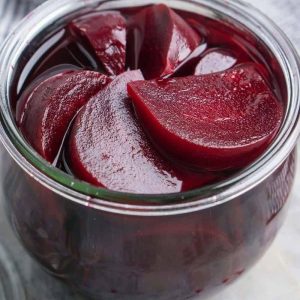
Pink or reddish urine can understandably cause alarm. Frequently, this color is linked to food dyes or naturally pigmented foods such as beets, blackberries, or rhubarb. This phenomenon, sometimes called “beeturia,” is harmless and temporary. However, if red or pink urine appears without a clear dietary cause or persists beyond a day, it may indicate blood in the urine and should be assessed by a medical professional promptly.
Brown or tea-colored urine may result from severe dehydration, certain medications, or intense exercise. In rare cases, it may point to liver conditions or muscle breakdown. As with other unusual changes, duration and accompanying symptoms matter. If discoloration continues or is paired with pain, fever, or fatigue, medical evaluation is important.
Green or blue urine is rare but possible. Artificial food coloring, certain medications, and even some infections can produce these unusual hues. While often harmless and temporary, any unexplained or persistent color change deserves attention.
Beyond color alone, odor and clarity can provide additional information. Strong-smelling urine may simply reflect concentrated waste due to dehydration or the influence of foods like asparagus. Cloudy urine could indicate a urinary tract infection, especially if accompanied by burning, urgency, or discomfort. Paying attention to patterns over time is more useful than focusing on a single instance.
Hydration plays a central role in maintaining healthy urine color. Drinking fluids consistently throughout the day supports kidney function, regulates body temperature, and assists in nutrient transport. Water remains the best choice for hydration, though herbal teas and water-rich fruits and vegetables also contribute. In hot weather or during exercise, fluid needs increase, and small, steady sips are more effective than infrequent large amounts.
A simple and refreshing way to encourage hydration is by infusing water with natural ingredients. Adding a slice of lemon, cucumber, or fresh mint can make water more appealing and may encourage more frequent drinking. These additions do not dramatically change hydration benefits but can make the habit easier to maintain. Letting such ingredients steep in water for ten to fifteen minutes creates a subtle flavor without added sugars or artificial ingredients.
Diet also influences urine appearance. Brightly colored fruits and vegetables, vitamin supplements, and certain medications can temporarily shift shades. Awareness of recent meals helps distinguish harmless changes from those that require attention. Maintaining a balanced diet rich in whole foods supports overall kidney and urinary health.
Listening to the body involves more than reacting to dramatic symptoms. It includes noticing subtle shifts and responding thoughtfully. While urine color alone cannot diagnose medical conditions, it serves as an accessible, everyday indicator of hydration and general wellness. Monitoring it occasionally can help reinforce healthy habits.
It is important to remember that persistent abnormalities—especially those accompanied by pain, fever, nausea, swelling, or fatigue—should never be ignored. Urine changes can sometimes signal infections, kidney issues, or metabolic conditions that require professional evaluation. Early assessment ensures timely treatment and peace of mind.
In daily life, health often depends on small, consistent actions: drinking enough water, eating nourishing foods, getting adequate rest, and paying attention to the body’s signals. Observing urine color is one simple way to stay aware of hydration status and overall balance. It does not replace medical testing, but it complements a mindful approach to wellness.
Our bodies communicate constantly, often through subtle cues rather than dramatic symptoms. Taking a moment to notice these signals fosters a sense of partnership with your own health. By staying hydrated, maintaining balanced nutrition, and seeking medical advice when necessary, you support the systems that quietly work to keep you well each day.
Disclaimer: This article provides general educational information about hydration and urine color. It is not a substitute for professional medical advice, diagnosis, or treatment. Consult a qualified healthcare provider if you experience persistent or concerning symptoms.